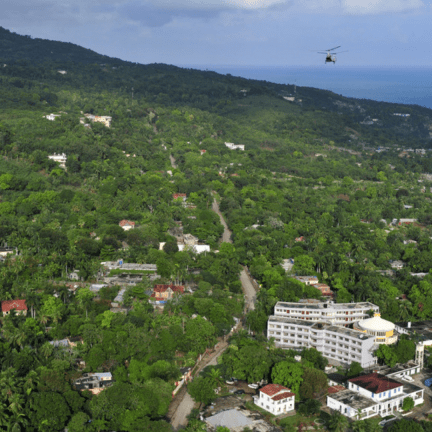
Haiti is an island in the Caribbean Sea with 10.85 million people. The people of the country speak Haitian Creole and French. It got a lot of media attention after the 2010 earthquake and Hurricane Matthew in 2016. Its infrastructure has been struggling to rebuild for years.
EMISSIONS
Haiti’s carbon emissions on average are 0.14 metric tons per capita.
CLIMATE CHANGE EFFECTS
Small island states are the most vulnerable when it comes to climate change because it is hit with flood after earthquake after hurricane, each new disaster arriving with increasing ferocity and frequency. In 2016, Hurricane Matthew wiped out agricultural farms in South Haiti, which prior that year brought 74% of the country’s new jobs. Haiti has limited access to electricity – where only 38% of Haitians in 2016 have a connection to the electrical grid, a small improvement from 28% of Haitians in 1990. Even those with access to the grid today still experience frequent blackouts and unreliable power quality.
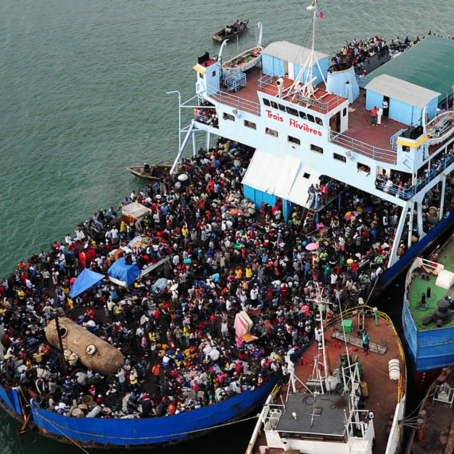
Haiti lies directly in the path of a hurricane corridor, and is pummeled every rainy season by tropical storms that destroy the country’s crops and infrastructure. In 2008 alone, four hurricanes – Ike, Fay, Hanna and Gustav – struck the country within a space of 30 days, destroying more than 60% of agricultural crops and killing more than 1,000 people. Hurricanes such as these have resulted in the more internal displacement, a higher mortality rate, and greater infrastructure damage in Haiti than any other environmental disaster or climate-related source of degradation.
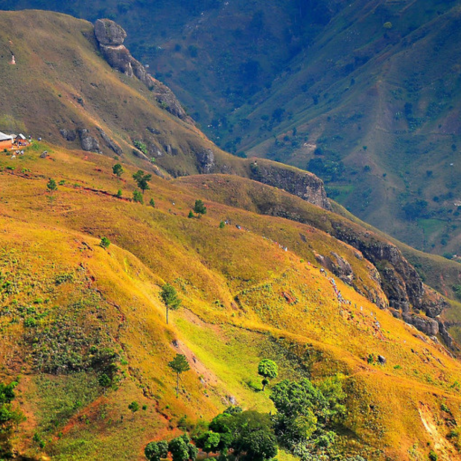
Haiti has also experienced declining GDP since 1982, and has seen serious political turmoil throughout the past few decades. In fact, Haiti was recently ranked, among Bangladesh and Zimbabwe, as the most vulnerable country in the world to climate change on an index developed by Maplecroft, a global risk management firm.
HOW YOU CAN HELP
Since 2006, SOIL has been transforming wastes into resources in Haiti. Through the use of ecological sanitation, SOIL is working to create a revolutionary social business model for providing access to safe, dignified sanitation that produces rich, organic compost as a natural resource for Haiti’s badly-depleted soils, while also creating economic opportunities in some of the world’s most under-resourced communities.
Donating to SOIL will help Haiti tackle some of their toughest challenges.
 Marissa Marietta