Mexico is a country that has experienced many climate related events. A country of over 120 million people experience some type of these effects. The biggest issue that the country faces is that of water.
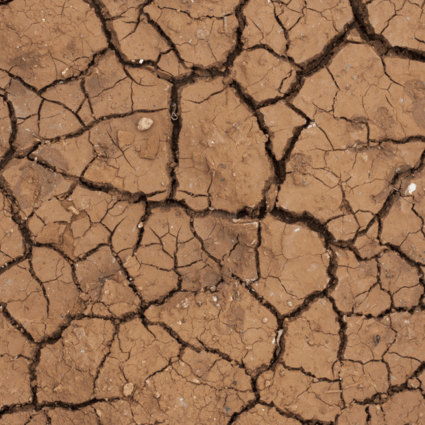
As Mexico City’s chief resiliency officer, Arnoldo Kramer, said to The New York Times, “Climate change has become the biggest long-term threat to this city’s future. And that’s because it is linked to water, health, air pollution, traffic disruption from floods, housing vulnerability to landslides — which means we can’t begin to address any of the city’s real problems without facing the climate issue.”
When the Grand Canal was completed, at the end of the 1800s, it was Mexico City’s Brooklyn Bridge, a major feat of engineering and a symbol of civic pride: 29 miles long, with the ability to move tens of thousands of gallons of wastewater per second. It promised to solve the flooding and sewage problems that had plagued the city for centuries.
Drilling for this much water is dangerous though because gravity is causing the city to sink, especially with them drilling for so much water. The drilling is weakening the clay beds that the city has been built on, which is what allows the city to sink.
EMISSIONS
Mexico’s emissions, on average, are 3.33 metric tons per capita per year.
CLIMATE CHANGE EFFECTS
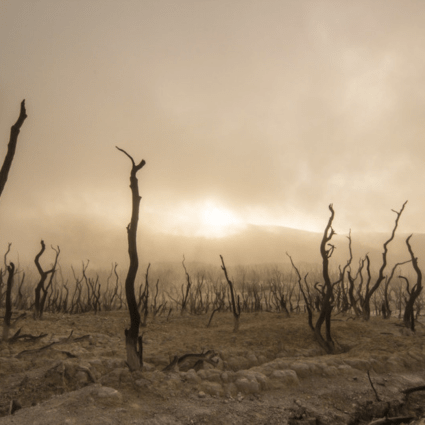
Ramón Aguirre Díaz, director of the Water System of Mexico City, is unusually frank about the perils ahead.“Climate change is expected to have two effects,” he told me. “We expect heavier, more intense rains, which means more floods, but also more and longer droughts.”
As Mexico (and our world) becomes warmer, the fingerprints of climate change can be seen everywhere you look. Climate scientists observe impacts like sea-level rise, longer and more intense wildfire seasons, and devastating droughts (just to name a few). And more importantly, everyday people experience the effects.
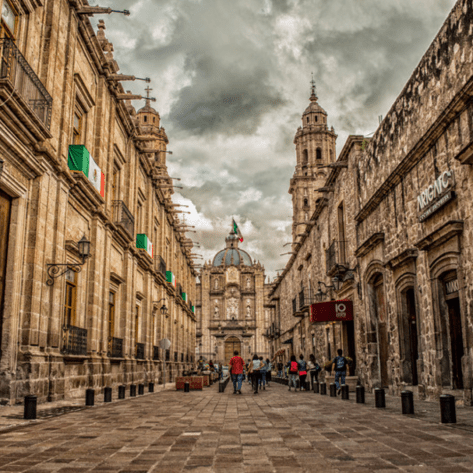
Water is an important factor in climate change, especially in regards to Mexico. Climate change puts millions of people at risk because of the lack of adequate clean water. If you add in the population growth in Mexico too, that means there will be more people with the same access to water. Mexico City is currently getting 40% of their water from remote sources, including drilling for it deep underground. This lack of water, further down the road, is going to hit the poorer communities the hardest.
Water insecurity also means food insecurity. In 2011, Mexico had what was described as its worst drought on record. More than 1.7 million cattle died of starvation or thirst – and at least 2.2 million acres of crops withered across at least five states. The government was forced to haul water to 1,500 villages and send food to farmers who lost all their crops.
In fact, climate change may lead to a 40 to 70 percent decline in Mexico’s current cropland suitability by 2030.
Water trucks are forced to drive to villages that don’t have access to water. Some families spend as much as 10% of their monthly income on water.
SOLUTIONS
In March 2018, Climate Realty will be in Mexico City to train hundreds of new Climate Reality Leaders – everyday citizens who are committed to solving the climate crisis. At our Climate Reality Leadership Corps trainings, attendees work with former US Vice President Al Gore and leading climate scientists and communicators to learn how inspire action in their own communities.
Here’s the climate reality: Climate change is making Mexico’s land far less suitable for growing food and crops. And that’s already impacting families today.
 Marissa Marietta